Beyond the Foundations: Creative Techniques for Intellectual Boost


In today's rapidly changing society, our brains are continually overwhelmed with information, stress, and interruptions. As we traverse this complicated environment, maintaining peak cognitive health has never been so crucial. Beyond basic habits like eating nutritious foods and getting sufficient rest, there are innovative techniques and approaches that can enhance mental function, boost memory, and encourage overall brain longevity. This piece explores the varied ways to brain health, looking into the current scientific studies and practical tips that everyone can incorporate into their daily routine.
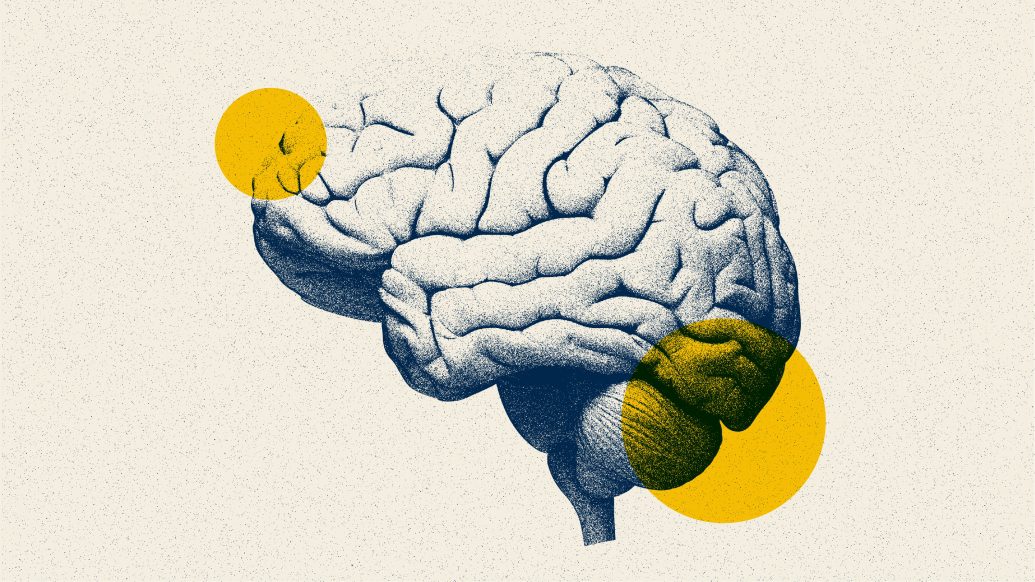
From the nutrition we eat to the way we interact with people, our brain health is influenced by a variety of elements. Understanding the connection between daily choices and cognitive function is essential for fostering a honed, more robust mind. We will reveal the latest discoveries about how movement, hydration, and even inventiveness play important roles in cognitive health. Additionally, we will tackle common misconceptions that often misguide individuals on their path to mental enhancement. By accepting these new methods and fostering healthy habits, we can make proactive steps toward supporting our most essential body part, ensuring its well-being as we grow older.
Everyday Habits for Cognitive Health
Integrating easy daily practices into your schedule can substantially improve your brain function. Begin with a stable rest routine, as good sleep is vital for brain performance. Target for 7 to eight hours of quality sleep each night, enabling your mind to rest and consolidate memory. Think about practices like relaxing before bed, limiting screen usage, and creating a relaxing bedtime routine to enhance your rest effectiveness.
Diet also holds a key part in promoting brain wellness. Eating a diet high in fresh produce, plant-based foods, whole grains, and lean protein sources provides essential elements that feed the brain. Foods like fatty seafood, berries, and nuts are particularly beneficial due to their high amounts of healthy fats, antioxidants, and minerals that support memory and brain abilities. Regular meal prep can help you incorporate these cognitive enhancing items into your nutrition effortlessly.
Exercise is another fundamental aspect of keeping a fit mind. Aim for no less than 150 minutes minutes of aerobic physical activity each 7 days. Activities such as walking, jogging, or moving not only improve heart health but also promote the growth of new brain cells, the formation of new brain cells. Participating in Gut Health mitigates stress and boosts blood flow to the brain, both of which are necessary for optimal brain performance.
Nutritional Science and Brain Function
Diet plays a essential role in supporting optimal cognitive health and improving mental performance. Foods high in nutrients, healthy fats, micronutrients, and trace elements are critical for sustaining brain activity and general health. For instance, oily fish like salmon, which are high in omega-3 fatty acids, have been shown to improve mental abilities and reduce age-related mental decline. Incorporating a variety of vibrant fruits and vegetables can offer the essential nutrients to protect brain cells from free radical damage.
Research suggest that particular dietary patterns, such as the Mediterranean eating style, are associated to better cognitive health. This diet emphasizes unrefined grains, legumes, nuts, and ample servings of fruits and vegetables, as well as limited consumption of fish and poultry. The integration of these foods not only nourishes the brain but also stimulates healthy blood flow, which is important for cognitive processes. Habitually consuming dark leafy greens and blueberries can particularly enhance recall and brain function due to their high levels of notable antioxidants.
Hydration is a further critical factor that affects brain function. Even slight lack of hydration can lead to difficulties with concentration and mental processing. Drinking adequate amounts of water throughout the day ensures that the brain remains properly hydrated, facilitating its ability to carry out various tasks optimally. Pairing good hydration practices with a nutrient-rich diet packed in cognitive-enhancing nutrients can greatly boost cognitive performance and support long-term brain health.
Living Approaches for Cognitive Enhancement
Adopting life methods that support cognitive improvement can create a meaningful difference in cognitive health. Start by incorporating easy routine habits, such as participating in regular exercise exercise, which has been proven to enhance cognitive function at any age. Even short bouts of physical activity can boost circulation flow to the brain, fostering the growth of new neurons and improving memory. Additionally, focusing on good sleep hygiene is essential, as quality sleep rejuvenates cognitive cells, enhances learning, and increases overall mental performance.
Nourishment plays a vital role in cognitive health, so think about boosting your nutrition with foods known to boost memory and cognitive function. Add omega-3 fatty acids from fish, antioxidants from berries, and leafy greens loaded in vitamins to support brain resilience. Additionally, hydration is crucial; ensure you drink enough water throughout the day, as just mild dehydration can hinder mental abilities. Combining a healthy nutrition with supplementation, such as omega-3s and specific vitamins, can further bolster brain function.
Lastly, fostering social connections and participating in artistic activities can significantly strengthen cognitive health. Consistently interacting with friends and family, participating in social activities, or offering your time can improve emotional well-being and mental longevity. Additionally, nurturing creativity through activities like drawing, composing, or performing music helps support a healthy brain by activating different mental pathways. Embracing these lifestyle approaches not just enhances cognitive function and also contributes to a robust, sustainable brain health foundation.